
Ship Recycling
Berge Bulk has rigorous maintenance and repair processes to ensure that our vessels are used as efficiently as possible, for as long as possible. As we add newer, more efficient vessels to our fleet, we consciously retire those that are older, less efficient, and have reached the end of their economic life.
Ship recycling is the process of dismantling a ship at the end of its life. The process results in minimal waste as more than 90% of the ship’s material is either reused or reconstructed.
- Our Ambitions…
- Ensure all end-of-life vessels are recycled at yards that adhere to the Hong Kong Convention.
- Certify all vessels with IHM Hong Kong Convention Standards.
- Certify all EU-calling vessels certified with IHM EU Ship Recycling Regulation Standard.
- All recycled vessels are audited throughout the recycling process.
- Latest Achievements…
- All end-of-life vessels are recycled at yards adhering to the Hong Kong Convention.
- 100% of fleet certified with IHM Hong Kong Convention Standards.
- 100% of EU-calling vessels certified with IHM EU Ship Recycling Regulation Standard.
- In progress — recycling of one vessel ongoing.
Our Approach
Berge Bulk has mapped criteria and activities to comply with conventions and regulations.
Criteria for Yard Selection
Following the entry into force of the Hong Kong International Convention for the Safe and Environmentally Sound Recycling of Ships (HKC) in 2025, Berge Bulk has reinforced our recycling policy to ensure full regulatory compliance.
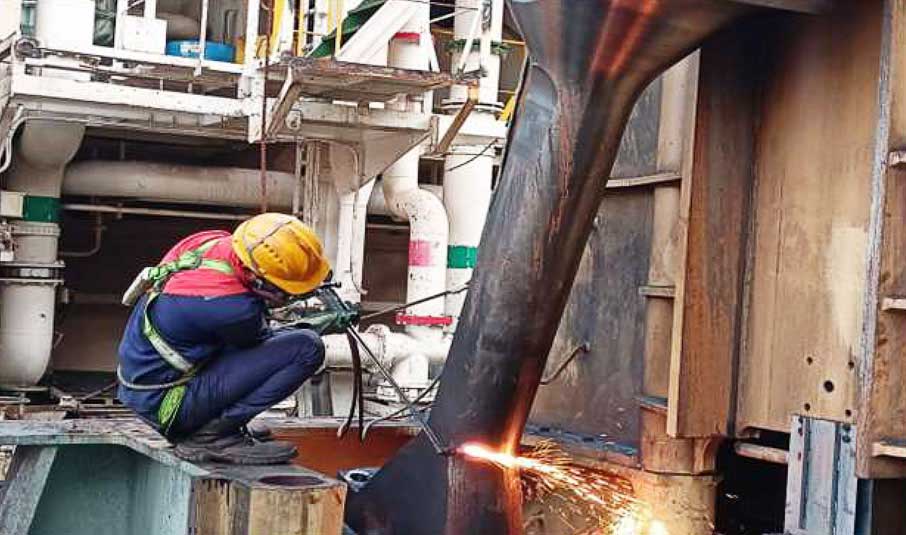
Our policy mandates that all ship recycling facilities involved in recycling Berge Bulk vessels must be formally authorised by competent national authorities and strictly adhere to the requirements of the HKC.
We also require that these yards maintain certifications in line with international standards, such as ISO 30000 (Ship Recycling Management Systems), as well as ISO 14001 and ISO 45001 for environmental and occupational health and safety.
Key Steps in Our Recycling Process
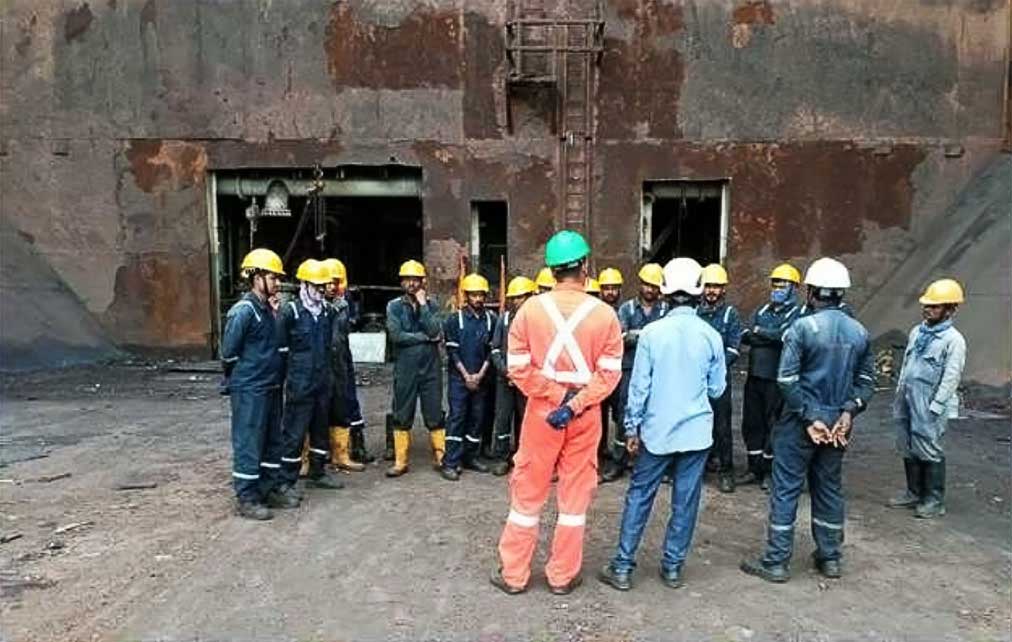
- Certified Facilities: We exclusively engage with shipyards that have been vetted and recognised by leading Classification Societies.
- Comprehensive Documentation: Proper Inventory of Hazardous Materials (IHM) and facility-specific recycling plans must be provided by the shipyards before any activity commences.
- Verification of Completion: A formal Statement of Completion is required at the end of the dismantling process to certify that the vessel was recycled in strict accordance with both HKC regulations and our internal ESG standards.
Through these rigorous contractual obligations, Berge Bulk ensures that our vessels are decommissioned with minimal risk to human health and the marine environment — upholding our commitment to a responsible maritime lifecycle.
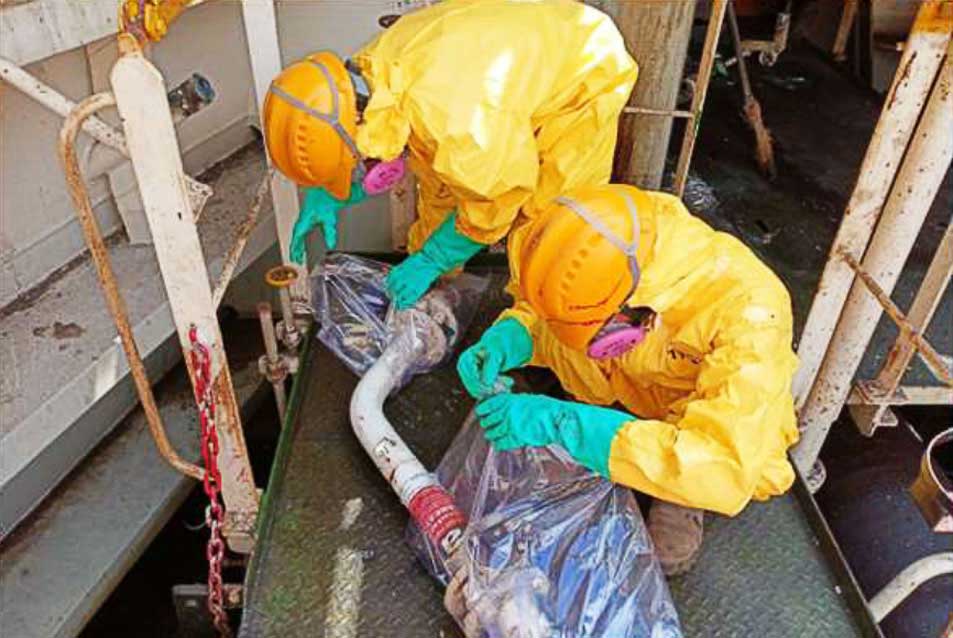
Inventory of Hazardous Materials Certification Status
| 2026 STATUS | |
|---|---|
| IHM Hong Kong Convention: | 100% of fleet certified |
| IHM EU Ship Recycling Regulations: | 100% of EU-calling vessels certified |
Certifying our Inventory of Hazardous Materials
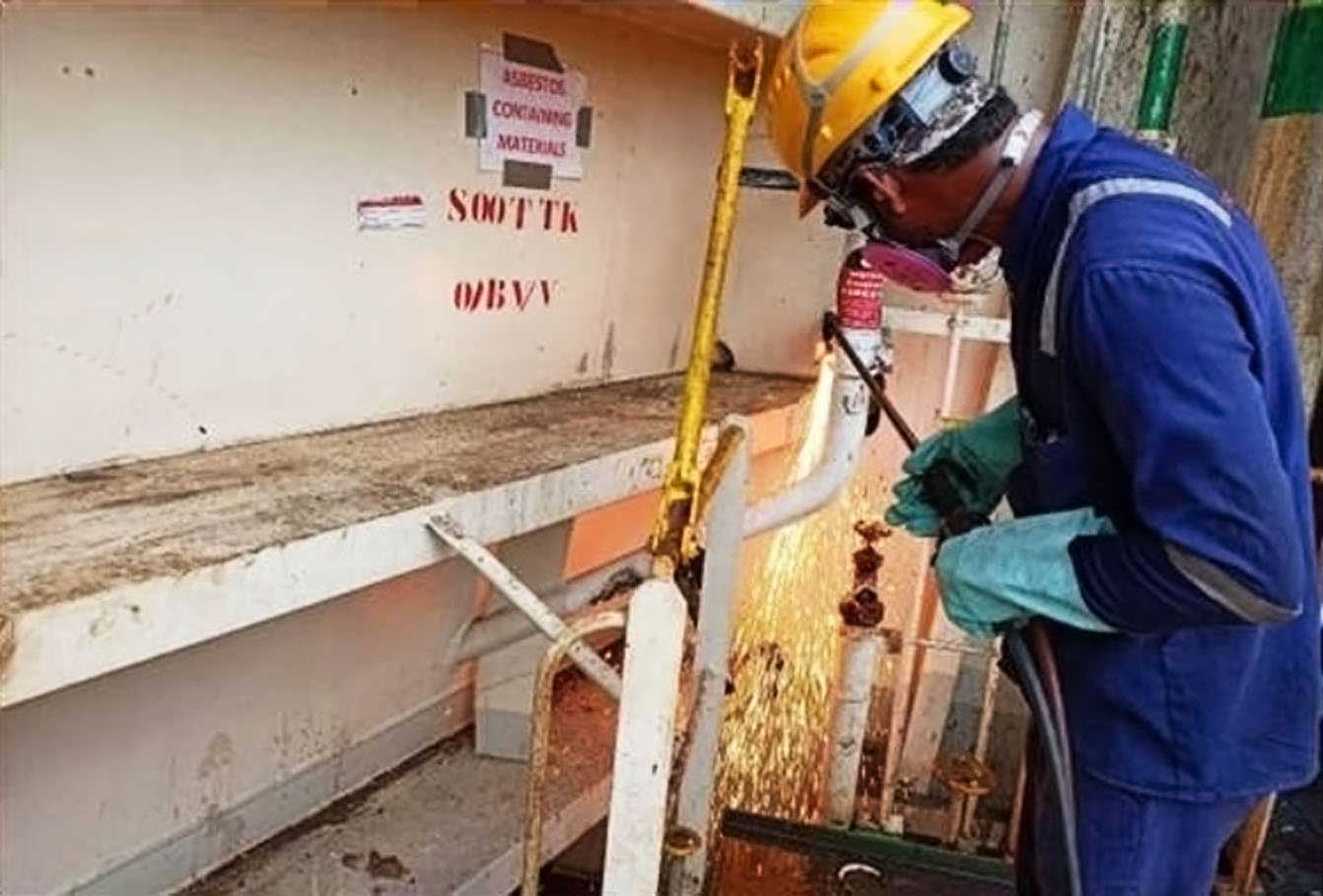
All Berge Bulk ships maintain an approved Inventory of Hazardous Materials (IHM), in accordance with the HKC standards, requiring Material Declarations and Supplier’s Declarations of Conformity from all vendors.
The IHM meticulously details all materials on board a vessel that may pose environmental or health risks. Regularly updated throughout a ship’s operational life, the IHM’s compliance with relevant regulations is confirmed via classification society certification.
For vessels operating within EU routes, additional certification under the IHM EU Ship Recycling Regulation (SRR) was obtained. The respective classification society of each vessel issued the certifications.
Detailed record verification ensures the IHM’s accuracy and timeliness. Any additional hazards in stores and waste are documented before recycling — enabling authorised facilities to create safer, more environmentally friendly decommissioning plans.
Audit by a Recognised Organisation
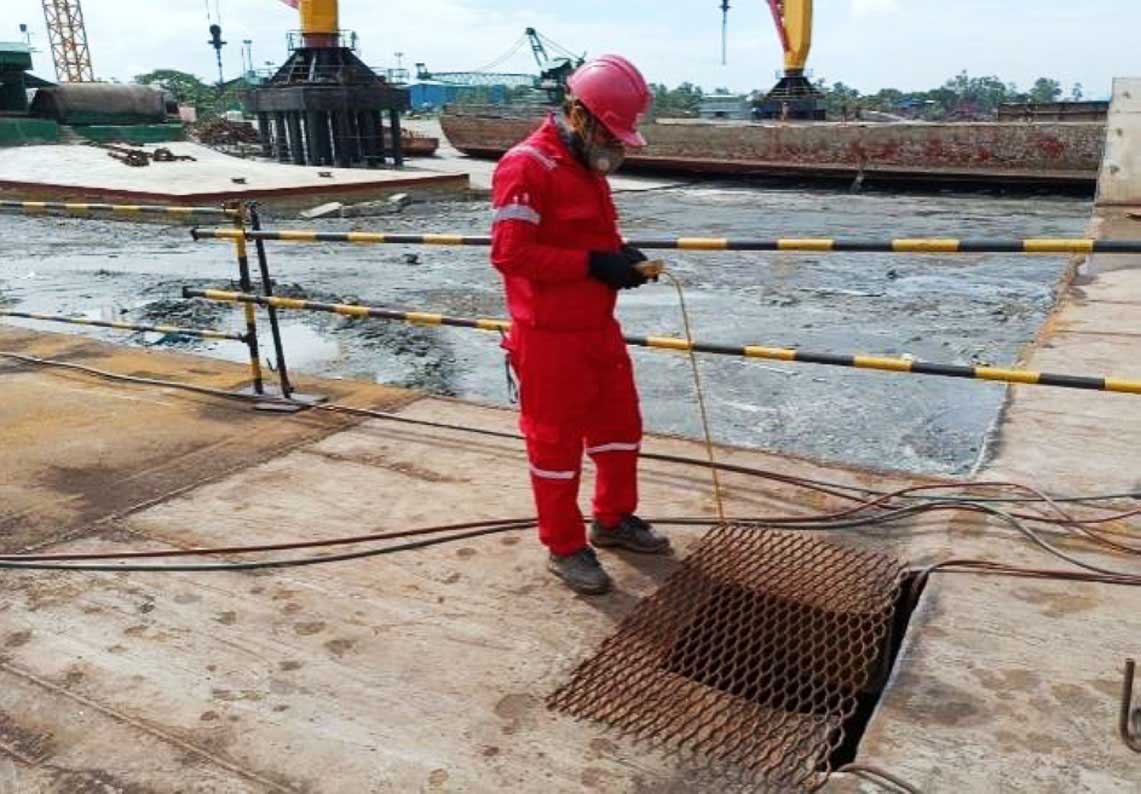
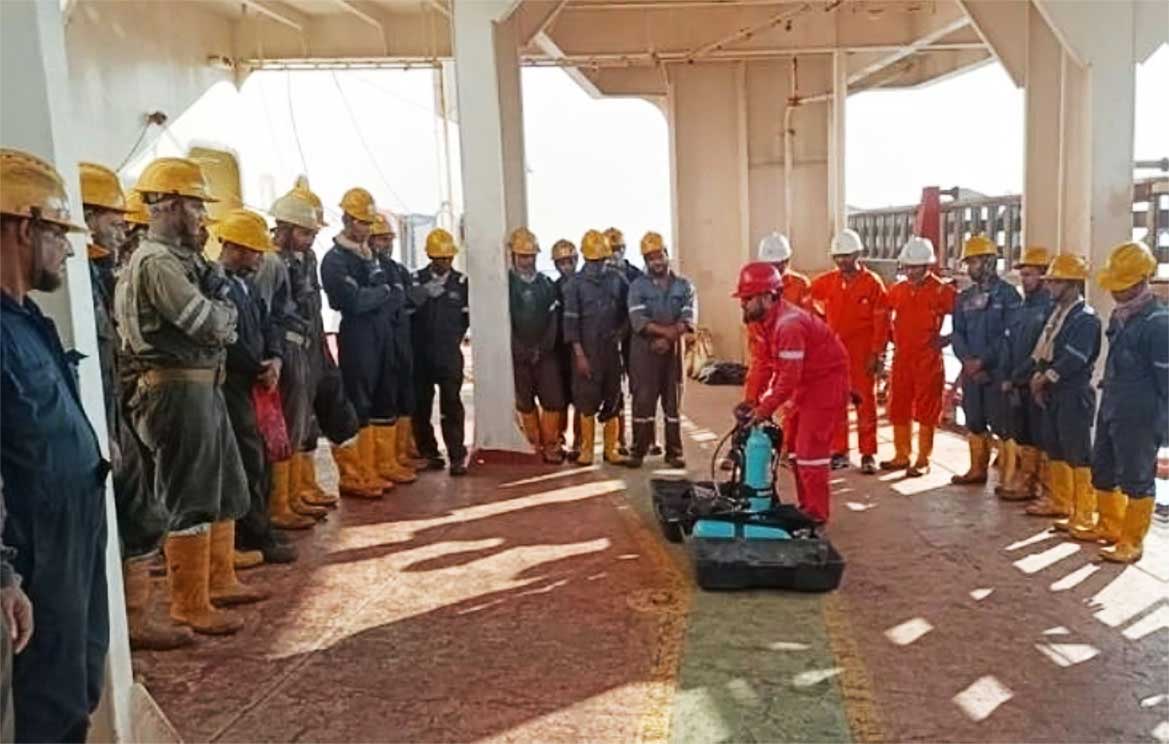
The process of recycling a ship can be complex, requiring careful attention to ensure that it is done in an environmentally friendly and responsible manner. To accomplish this, we have contracted Lloyds Register, a Recognised Organisation, to carry out audits at shipyards during each stage of the ship recycling process.
These audits are conducted at the start, middle, and end of the process — ensuring that every stage of the recycling process meets our standards for responsible recycling practices. The auditors work closely with the shipyards to establish a collaborative relationship, where they receive ongoing updates throughout the process, not just during the audits.
As part of the audits, the auditors conduct a thorough assessment of the shipyards’ processes and procedures to ensure that they are adhering to the recommendations outlined in the IMO Resolution MEPC.210(63) Guidelines for Safety and Environmentally Sound Ship Recycling. Additionally, the auditors provide guidance to the shipyards on how to adopt and implement the best practices from HKC, ISO, and relevant local environmental and safety laws. Furthermore, the auditors assist the shipyards in developing and implementing Ship Recycling Facility Plans to ensure that they have a comprehensive and effective plan in place for the recycling of the ships.
Through this process, we ensure that our shipyards are operating in a manner that is safe, environmentally friendly, and compliant with all relevant laws and regulations. The involvement of auditors in the process ensures that our standards for responsible ship recycling are consistently met, and that our ships are recycled in a manner that is sustainable for the environment and the communities surrounding the recycling yards.
“What happens to ships at the end of their lifetime is an important global issue, with major consequences for safety and the environment.”Kitak Lim
Secretary General, IMO