Biodiversity
The oceans are at the very heart of our business, and we understand our responsibility to help keep them healthy. Preserving marine biodiversity is a vital part of our environmental sustainability strategy, and this is woven into all our business practices, including how we channel our philanthropic funding.
- Our Ambitions…
- To achieve ZERO spills.
- To achieve ZERO incidents of non-compliance with ballast water regulations.
- To achieve a 100% participation rate in the ECHO Programme.
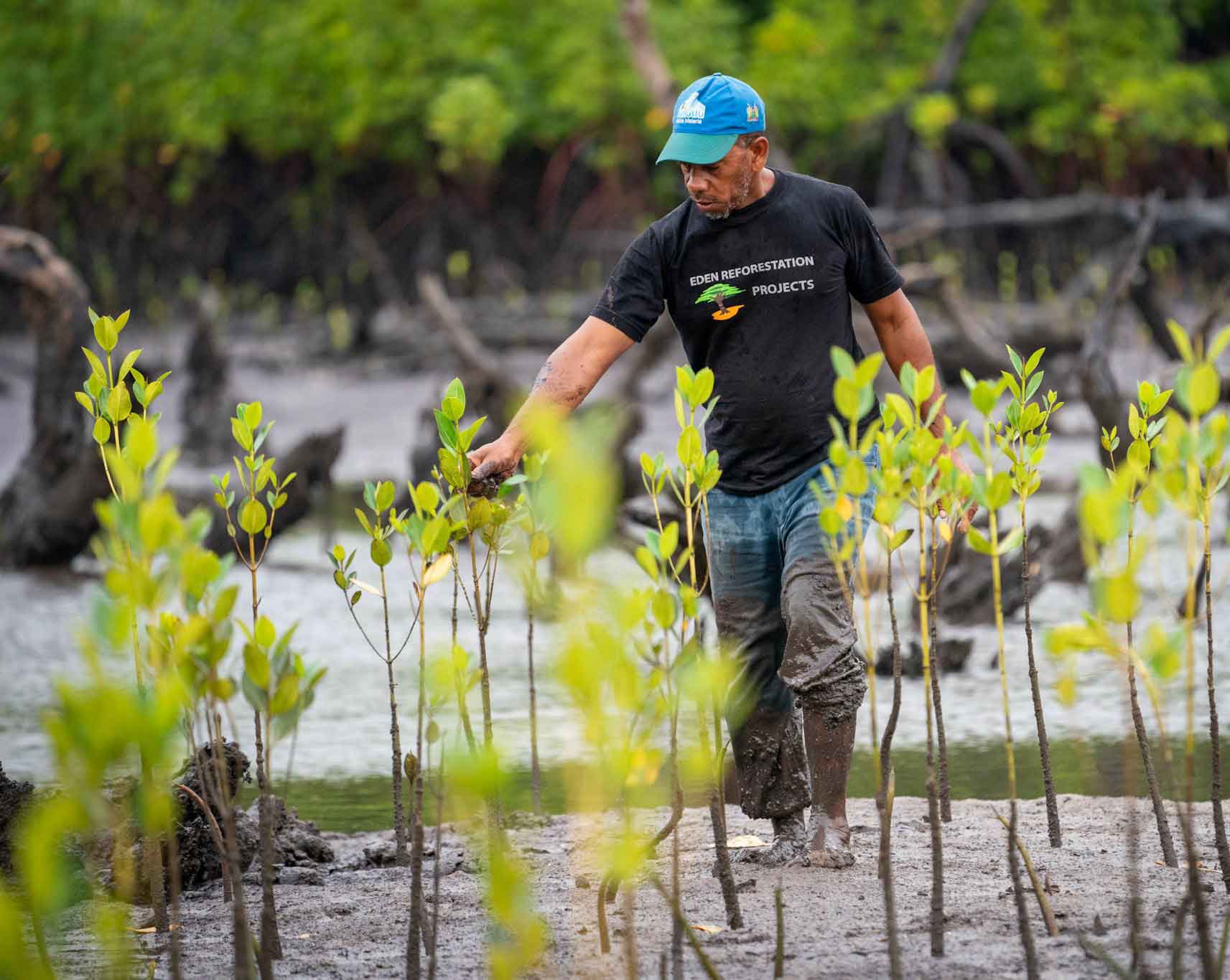
- To plant 25 million trees by 2026.
- Latest Achievements…
- No spills recorded.
- No incidents of non-compliance with ballast water regulations recorded.
- On track — 93% participation rate in the ECHO Programme achieved (vs industry average of 85%).
- On track — more than 20.7 million trees planted.
Our Approach
Berge Bulk has mapped out activities and initiatives that will raise awareness and make tangible efforts to protect coastal and marine biodiversity.
| Approach | Area of Impact | Initiatives |
|---|---|---|
|
Environmental
Management
|
Invasive Aquatic Species |
|
| Water Pollution |
|
|
| Wildlife Strikes |
|
|
| Noise Pollution |
|
|
|
Environmental
Protection &
Management
|
Forest Restoration |
|
| Marine Conservation & Ocean Health |
|
|
| Wildlife Conservation |
|
Onboard Vessel Practices
Oil Spill Preparedness Training
At Berge Bulk, maintaining a zero-incident record is paramount. Nevertheless, we recognise that unwavering preparedness is essential for risk management. Throughout 2025, we conducted a comprehensive series of drills to ensure our shipboard and onshore teams remain in a state of constant readiness.
These integrated “tabletop exercise” simulated high-impact scenarios — including vessel casualties and significant oil spills in major global ports. These drills meticulously evaluated every facet of our Emergency Response Plan — from initial notification protocols and spill containment strategies to the real-time coordination of onshore response teams and external agencies.
By testing these systems under pressure, we continuously refine our response capabilities, ensuring we are equipped to safeguard the environment and minimise the impact of any unforeseen event.
Ballast Water Treatment
Shipping has been identified as a major pathway for introducing aquatic species to new environments through its ballast water and sediments.
Ballast water — often taken on board by ships for stability — can contain bacteria, microbes, small invertebrates, eggs, cysts and larvae. When the water is discharged, these organisms are released into new eco-systems where they may survive, reproduce, and start out-competing native species.
The infestation of such invasive species presents a major threat to marine biodiversity, posing dramatic ecological and economic consequences, as well as health problems. With the expansion of sea-borne trade and traffic volumes, the number and severity of such bio-invasions is growing at an alarming rate.
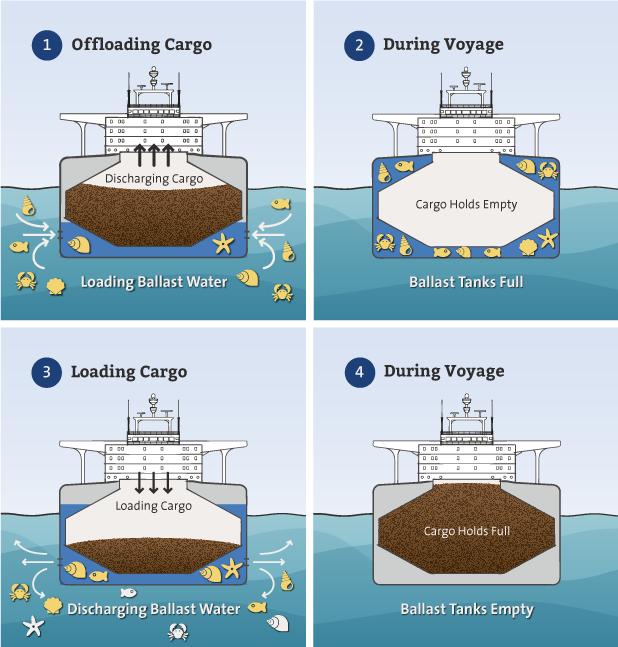
To minimise this risk, The International Convention for the Control and Management of Ships’ Ballast Water and Sediments (BWM Convention) was adopted in 2004 to introduce global regulations to control the transfer of potentially invasive species. The BWM Convention came into force in September 2017. Berge Bulk fully supports the universal implementation of the BWM Convention.
All new ships in our fleet are fitted with Ballast Water Treatment Systems (BWTS), and existing vessels are being retrofitted with the newest technology. The BWTS is based on the principles of filtration systems, chemical disinfection, ultraviolet treatment, and ozone treatment of the ballast water.
When our vessels call at ports in the USA, we submit our ballast water samples for laboratory testing. We are also exploring the possibility of extending this practice to other non-USA ports on a voluntary basis.
Our Biodiversity Projects
how we’re tackling biodiversity head on
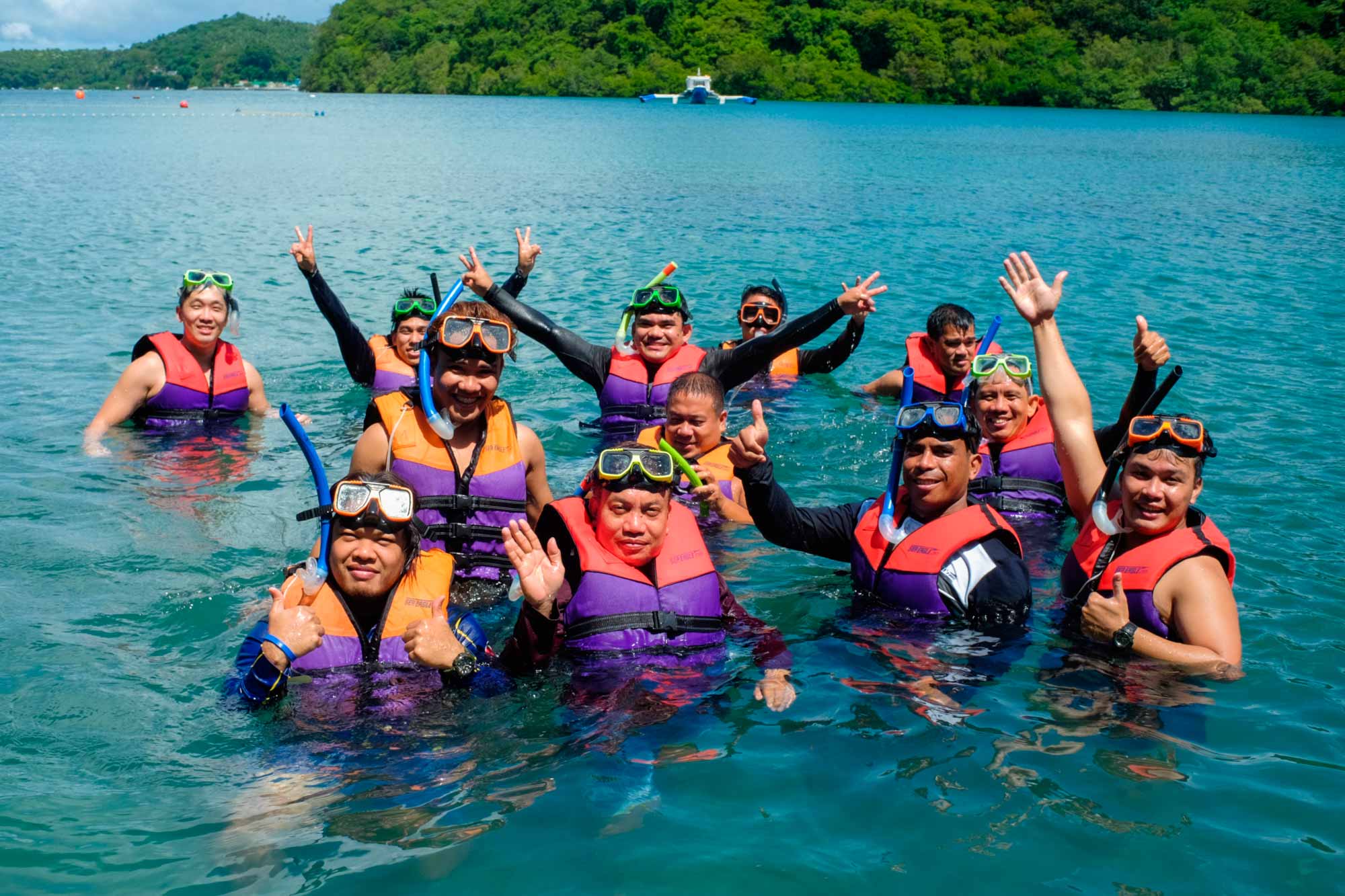
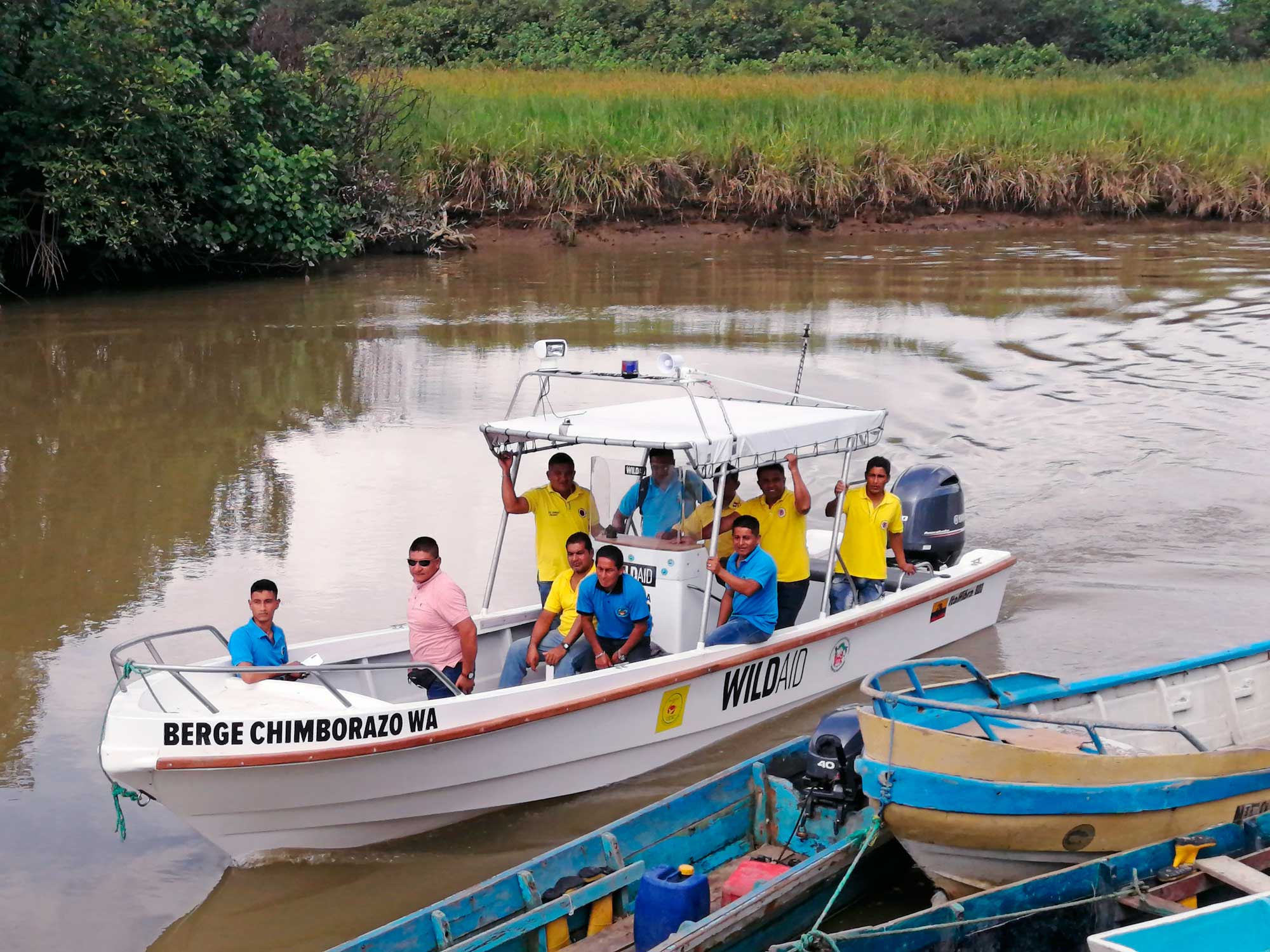
Safeguarding Ecuador’s Coastal Forest
Safeguarding existing mangroves and rebuilding those lost
Read More“To restore stability to our planet we must restore its biodiversity, the very thing we have removed. It is the only way out of this crisis that we ourselves have created. We must rewild the world!”Sir David Attenborough
Broadcaster, biologist, natural historian & author